
Ways to Save on Everyday Items
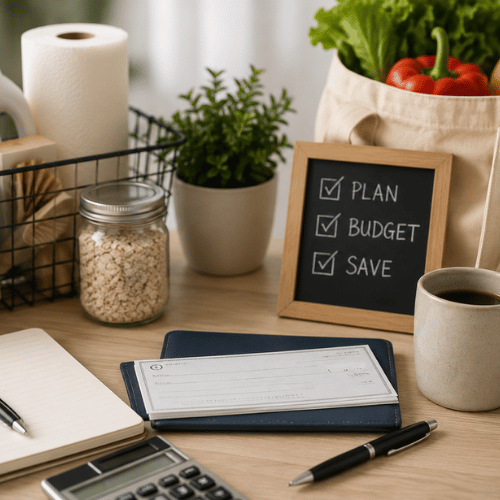 Saving money does not always require a dramatic lifestyle change. Sometimes, the biggest difference comes from paying closer attention to the items you use every week, the purchases you repeat every month, and the small habits that quietly add up over time.
From groceries and household supplies to clothing, office products, and financial essentials, there are plenty of ways to spend less without feeling like you are constantly sacrificing. The key is knowing where quality matters, where convenience costs extra, and where a little planning can help you avoid paying more than necessary.
Here are practical ways to save on everyday items while still buying what you need.
Start by Tracking What You Actually Use
Before you can save money on everyday items, it helps to know what you are actually buying.
Many people try to cut spending by guessing where their money is going. But small purchases can disappear into the background. A quick grocery stop, a few household supplies, takeout containers, pet items, personal care products, and subscription renewals can add up quickly.
Start by reviewing your regular purchases for one month. You do not need a complicated system. A notebook, spreadsheet, budgeting app, or check register can help you track the categories that matter most.
Look for patterns like:
- Items you buy every week
- Products you replace often
- Things you buy because you ran out unexpectedly
- Purchases that cost more because they were last-minute
- Items you could buy in larger quantities
- Products you use rarely but keep repurchasing out of habit
Once you see the pattern, it becomes much easier to decide where to cut back and where to invest in better options.
Buy It for Life When Quality Saves Money
“Buy it for life,” often shortened to BIFL, is the idea of choosing durable, well-made items that last for years instead of repeatedly buying cheaper versions that wear out quickly.
This approach does not mean you need to buy the most expensive version of everything. It means being intentional with purchases that get heavy use.
BIFL can make sense for items like:
- Cookware
- Tools
- Winter coats
- Work bags
- Shoes
- Furniture
- Reusable water bottles
- Kitchen knives
- Storage containers
- Basic home repair items
For example, a cheap pan that warps after a year may not be a better deal than a higher-quality pan that lasts for a decade. The same is true for a bag with weak stitching, shoes that wear down quickly, or a coat that needs to be replaced every season.
The best BIFL purchases are items you already know you will use often. If you cook every day, quality cookware may be worth it. If you rarely bake, a basic baking sheet may be enough. The goal is not to upgrade everything. The goal is to spend more carefully where it actually pays off.
Know When Generic Works Just as Well
While BIFL is helpful for long-lasting items, many everyday purchases do not need to be premium brands.
Generic or store-brand products can be a smart way to save on:
- Pantry staples
- Cleaning supplies
- Paper goods
- Over-the-counter basics
- Baking ingredients
- Frozen fruits and vegetables
- Office supplies
- Pet cleanup supplies
The trick is to test one swap at a time. If your family cannot tell the difference between a name-brand pantry item and the store-brand version, keep the savings. If a cheaper trash bag tears too easily and creates more hassle, switch back.
This is where everyday savings become personal. A generic product is only a good value if it still does the job well.
Use Bulk Buying Carefully
Buying in bulk can help lower the cost per item, but only if you use everything before it expires, spoils, or takes over your storage space.
Bulk buying often works best for:
- Toilet paper
- Paper towels
- Laundry detergent
- Dish soap
- Pet food
- Shelf-stable pantry goods
- Coffee
- Freezer items
- Frequently used office supplies
It is less useful for items you are trying for the first time, products with short expiration dates, or things your household gets tired of quickly.
Before buying in bulk, ask yourself:
- Do we already use this regularly?
- Do we have room to store it?
- Will it expire before we finish it?
- Is the unit price actually lower?
- Would buying this much encourage us to use more than we need?
Bulk buying can save money, but only when it fits your real habits.
Build a Price Memory for Common Items
One of the best ways to avoid overpaying is to learn the normal price range for items you buy often.
You do not need to memorize every price. Just pay attention to your regular staples. For example, learn what you usually pay for chicken, eggs, coffee, detergent, cat litter, shampoo, printer paper, or other items you buy again and again.
Once you know the typical price, you can spot a real sale. You can also recognize when a “deal” is not actually a deal.
A simple price list can help. Keep a note in your phone with your most commonly purchased items and the lowest price you usually see. This is especially helpful for grocery shopping, household products, and recurring office supplies.
Plan Around Sales Without Letting Sales Control You
Sales are useful, but only when they help you buy things you already need.
It is easy to spend more in the name of saving money. A sale on something you were never planning to buy is still an extra purchase.
A better approach is to create a short list of items worth watching for discounts. This might include seasonal clothing, school supplies, pet supplies, home basics, printer ink, business supplies, or checks and financial forms.
When those items go on sale, you can stock up or reorder without making a rushed purchase later.
This works especially well for products that do not spoil and that you know you will need again. Planning ahead helps you avoid emergency purchases, expedited shipping, and higher last-minute prices.
Repair, Refill, and Reuse Where You Can
Another way to save on everyday items is to get more use out of what you already own.
Before replacing something, consider whether it can be repaired, refilled, or reused.
This can apply to:
- Shoes that can be resoled
- Clothing that needs a small repair
- Furniture that can be tightened, cleaned, or refinished
- Soap dispensers that can be refilled
- Glass jars used for storage
- Reusable bags and containers
- Printer cartridges, when refill options make sense
- Household tools that need maintenance instead of replacement
Small repairs are not always worth the time, but many are. A missing button, loose screw, dull knife, or clogged sprayer can often be fixed for much less than the cost of a replacement.
Reduce Convenience Purchases
Convenience is not bad. Sometimes it is worth paying for. But convenience purchases can quietly become one of the biggest everyday expenses.
Common convenience costs include:
- Pre-cut produce
- Single-serving snacks
- Delivery fees
- Bottled drinks
- Last-minute takeout
- Individually packaged household items
- Rush shipping
- Buying supplies at the closest store instead of the best-value store
You do not have to cut all convenience from your life. Instead, pick the areas where convenience matters least to you.
For example, you may decide that pre-cut vegetables are worth it on busy weeks, but delivery coffee is not. Or you may keep some single-serving snacks for convenience while buying larger packs of household staples.
The goal is balance, not perfection.
Use Checks as Part of a Monthly Money Routine
Checks may not be the first thing that comes to mind when you think of everyday savings, but they can still be part of a smart financial routine.
For some households and small businesses, checks are useful for recurring payments, rent, contractors, school expenses, gifts, charitable giving, invoices, or other situations where digital payments are not preferred. They can also create a clear paper trail for certain expenses.
The savings opportunity comes from planning ahead. Instead of reordering checks at the last minute through your bank or paying more than necessary, you can compare options and order checks online before you run out.
Extra Value Checks makes it simple to order affordable personal and business checks online, so you can get the essentials you need without turning a routine financial item into a last-minute expense. Whether you use checks often or only occasionally, keeping them stocked can help you stay organized and avoid scrambling when you need one.
Organize Your Monthly Essentials
One of the easiest ways to save is to stop buying duplicates.
Many households repurchase items because they cannot find what they already own. This happens with batteries, cleaning supplies, toiletries, envelopes, stamps, pantry items, office supplies, and financial paperwork.
Create a simple “monthly essentials” area for items you use regularly. This could be a cabinet, drawer, shelf, or storage bin.
Include things like:
- Envelopes
- Stamps
- Checks
- Pens
- Cleaning supplies
- Batteries
- Light bulbs
- Backup toiletries
- Pet supplies
- School or office basics
When everything has a place, it is easier to see what you actually need before you shop.
Make Saving Automatic, Not Exhausting
The best money-saving habits are the ones you can maintain.
You do not need to track every penny forever, visit five stores every week, or research every purchase for hours. Instead, build simple habits that make saving easier over time.
Try choosing a few repeatable rules:
- Compare prices before recurring purchases
- Buy durable versions of high-use items
- Use generic products where quality is similar
- Keep a list of household staples
- Reorder essentials before you run out
- Avoid rush shipping when possible
- Repair before replacing
- Review subscriptions every few months
- Keep checks, envelopes, and bill-paying supplies organized
Small systems can make everyday spending feel less chaotic and more intentional.
Save More by Planning Ahead
Everyday savings usually come down to one thing: planning ahead.
When you know what you use, what you can buy in bulk, what is worth investing in, and what you should reorder before it becomes urgent, you are less likely to overspend. You can still buy quality items where they matter, enjoy convenience where it helps, and cut back in places where the extra cost does not add much value.
From BIFL purchases to affordable checks, the smartest approach is not always buying the cheapest option. It is buying the right option at the right time for the way you actually live.
If checks are part of your household or business routine, Extra Value Checks can help you keep that essential item simple, affordable, and easy to reorder online.
FAQ: Ways to Save on Everyday Items
What is the easiest way to start saving on everyday items?
Start by tracking what you buy most often. Once you know your repeat purchases, you can compare prices, buy certain items in bulk, switch to generic options, or plan ahead for sales.
What does BIFL mean?
BIFL stands for “buy it for life.” It refers to buying durable, well-made items that are designed to last a long time. This approach can save money when used for items you rely on frequently.
Are generic products always a better deal?
Not always. Generic products can save money, but only if they work well for your needs. Try swapping one item at a time and keep the generic version when the quality is similar.
How can checks fit into a money-saving routine?
Checks can support organized bill paying, recordkeeping, and certain household or business payments. Ordering checks online before you run out can also help you avoid last-minute costs and compare affordable options.